From Airfields to Giant Digital Cities: The Evolution of Airports, Aircraft, and Airport Systems
How a Simple Airfield Became a Giant Digital City
Airports in the 1910s were completely different from the airports we know today. A wide grassy field or a flat open area was often enough for an aircraft to take off and land. Pilots navigated by observing the terrain, weather, railways, rivers, and roads with their own eyes.
Compare that with today’s airport experience—boarding passes stored on smartphones, automated baggage drops, real-time flight information, and biometric immigration gates. In just over a century, aviation has moved into an entirely different world.
After spending many years observing airport systems and operational procedures in the field, I have come to one clear conclusion: the aviation industry did not grow simply because aircraft became faster and more advanced.
Runways, terminals, air traffic control, air navigation facilities, baggage handling, security screening, and flight information systems all had to develop together. That coordination made today’s large-scale air transport network possible.
Airport systems are often invisible to passengers. Yet a single departure time, gate number, or baggage tag barcode must be accurately shared across multiple systems if an aircraft is to depart on schedule.
If aircraft and airports are the body, airport systems are the nervous system.
Contents
- 1910s–1930s: The Birth of Airfields and Air Traffic Control
- 1940s–1960s: International Standards, Radar, and the Jet Age
- 1970s–1990s: Large Airports and the Expansion of Computerized Systems
- The 2000s: System Integration and Passenger Self-Service
- The 2010s and Beyond: Smart Airports, Biometrics, and Data-Driven Operations
- The Airport of the Future: AI, Digital Identity, and Sustainable Aviation
Key Keywords
airport history, evolution of aircraft, airport system history, air traffic control, smart airport, airport ICT, AODB, FIDS, BHS, biometrics, One ID
1. 1910s–1930s: The Birth of Airfields and Air Traffic Control
Early airfields in the 1910s did not have the complex infrastructure associated with modern airports. Aircraft were light, had limited range, and could carry only small payloads. As a result, airfields were used mainly for test flights, military operations, and early airmail services rather than as major long-distance transportation hubs.
Paved runways, instrument landing systems, and precision airfield lighting were not yet common. Pilots navigated using visible landmarks such as railways, rivers, roads, and coastlines. When weather conditions deteriorated, flights could easily be delayed or cancelled.
The situation began to change as airmail networks and scheduled passenger services expanded. Once aircraft started flying regularly between cities, operators needed a way to manage departure and arrival times and to keep aircraft safely separated.
In 1935, several U.S. airlines jointly established air route traffic control centers to track aircraft flying between cities and maintain safe separation. In 1936, the U.S. federal government took over this air traffic control function.
There were no modern radar screens. Controllers relied on flight plans, telephone reports, maps, and manually positioned markers to estimate where each aircraft was located.
Compared with today’s air traffic management systems, the process seems extremely basic. However, the fundamental principle was already in place: aircraft movements had to be continuously monitored and controlled from the ground.
This is an important operational turning point. When only one or two aircraft are flying, pilots may be able to manage largely through visual awareness and direct communication. Once traffic increases, however, an airport cannot operate safely without standardized procedures and accurate information.
Key Takeaway
The beginning of air transport was not only about building faster aircraft. It also required the creation of an operational system capable of managing multiple aircraft safely.
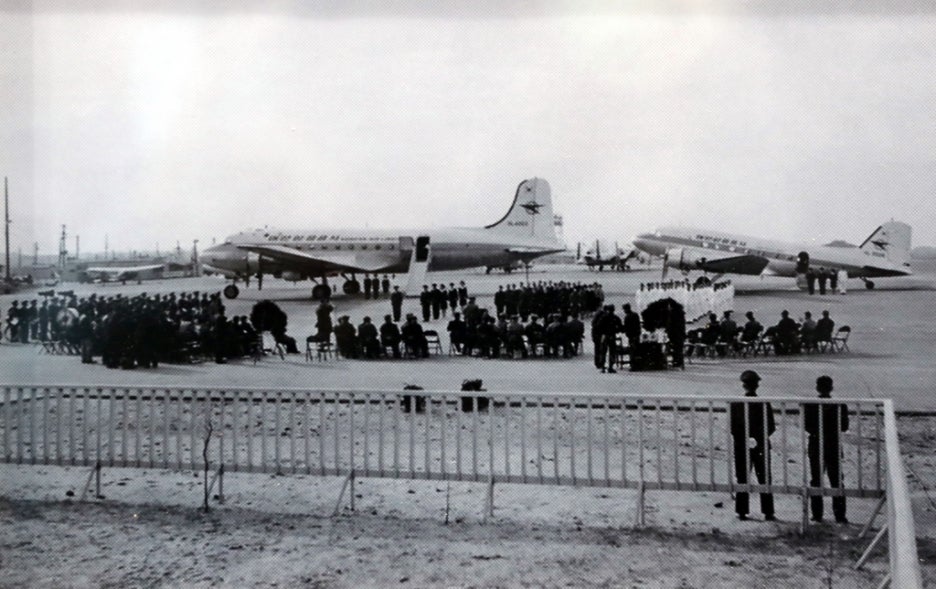 | 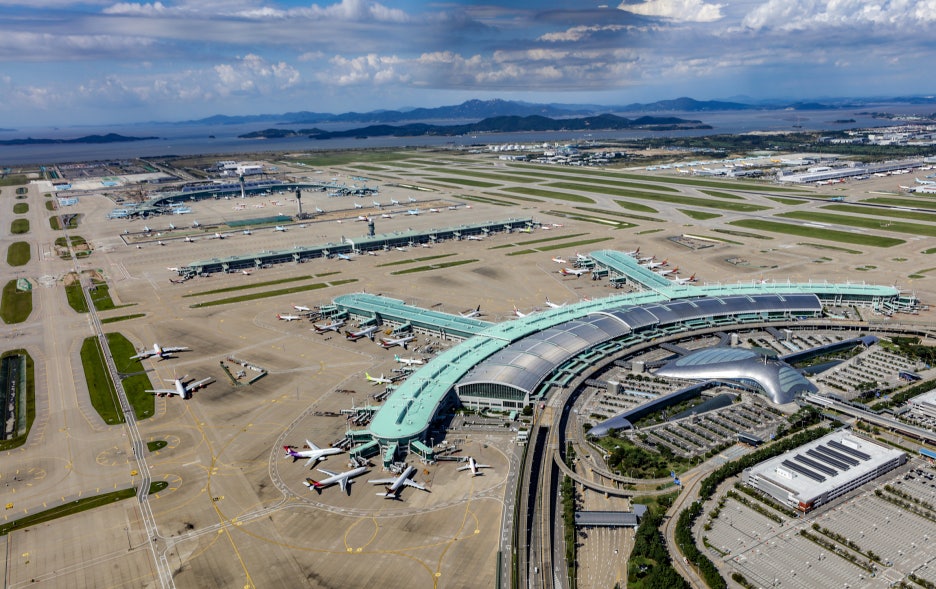 |
[Image 1: Comparison between an early grass airfield and a modern international airport]
2. 1940s–1960s: International Standards, Radar, and the Jet Age
The 1940s established the foundation of modern civil aviation. During the Second World War, major advances were made in aircraft engines, navigation, radio communication, and radar. After the war, many of these technologies were adapted for civilian use.
One of the most important turning points was the Chicago Convention of 1944.
International aviation could not develop safely if every country applied completely different rules. Governments therefore began working toward a common framework for international civil aviation. The Convention on International Civil Aviation was signed on December 7, 1944, and entered into force on April 4, 1947.
The International Civil Aviation Organization, or ICAO, subsequently became the central organization responsible for developing international Standards and Recommended Practices for civil aviation.
ICAO’s historical materials explain that the Chicago Convention created an institutional foundation for the safe and orderly growth of international civil aviation through cooperation among nations.
— ICAO, The History of ICAO and the Chicago Convention
The importance of this development goes far beyond the creation of an international organization.
Runway markings, airfield lighting, aeronautical communications, aircraft operations, pilot licensing, and aviation weather information gradually began to follow internationally coordinated frameworks.
In real airport projects, international standards are not simply sentences written in design documents. They affect runway dimensions, lighting layouts, air traffic procedures, communications, and the exchange of operational information.
When standards are inconsistent, airlines may face operational restrictions, and pilots and air traffic controllers may experience confusion.
Radar also began to move into civilian air traffic control during this period. In 1946, the first radar control tower for civilian aircraft operations was demonstrated in the United States.
For the first time, controllers could observe aircraft positions on a radar display. This provided a stronger basis for managing traffic even when visibility was poor.
By the late 1950s, commercial jet travel had begun in earnest. Jet aircraft flew faster, higher, and farther than propeller-driven aircraft. Airports therefore needed longer and stronger runways, larger aprons, expanded passenger terminals, higher-capacity fuel systems, and improved maintenance facilities.
Major Developments by Period
| Period | Aircraft Development | Airport Infrastructure | Operations and Systems |
|---|---|---|---|
| 1910s | Early aircraft made of wood and fabric | Grass airfields | Visual navigation and ground signals |
| 1920s–1930s | Airmail and scheduled routes expanded | Basic runways and night markers | Flight plans and radio communication |
| 1940s | Improved engines, navigation, and radar | More paved runways and control towers | International standards and radar control |
| 1950s–1960s | Commercial jet aircraft introduced | Longer runways and larger terminals | Air traffic systems for higher traffic volumes |
Airports were no longer simply places where aircraft took off and landed. They were becoming transportation hubs with infrastructure on the scale of a small city.
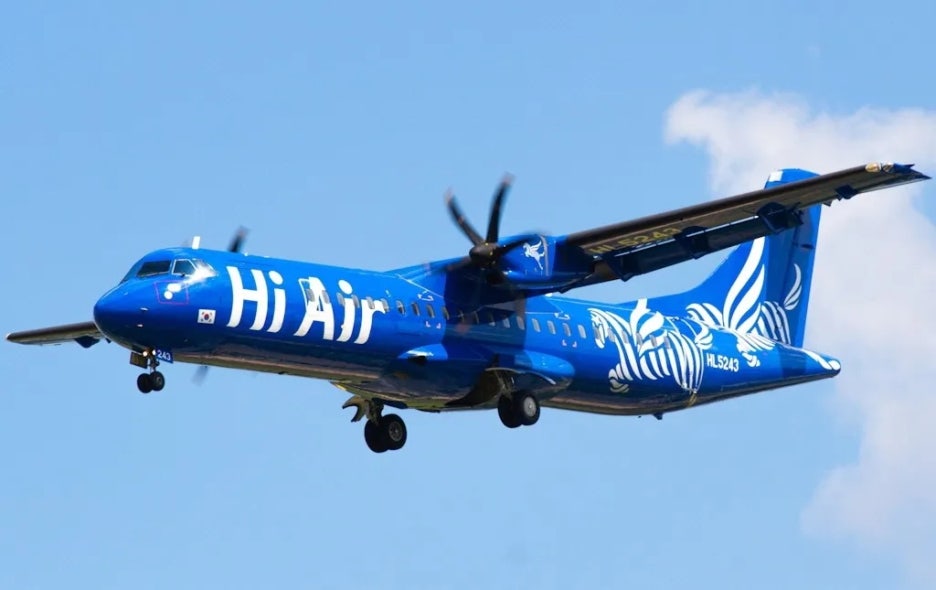 | 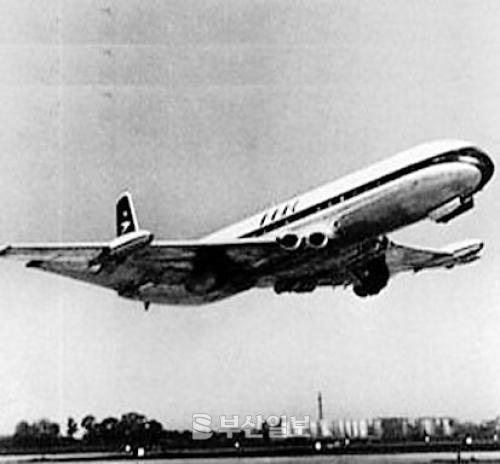 |
[Image 2: Comparison between a propeller airliner and an early jet airliner]
3. 1970s–1990s: Large Airports and the Expansion of Computerized Systems
The arrival of large wide-body aircraft in the 1970s changed airports once again. These aircraft could carry far more passengers and cargo, but they also created new operational challenges.
Hundreds of passengers could arrive at check-in counters within a short period. Hundreds of bags had to be accepted, screened, sorted, and loaded at the same time.
Immigration, customs, passenger boarding bridges, refueling, catering, cabin cleaning, and ground handling all had to be completed within a fixed turnaround time.
Introducing a larger aircraft does not automatically increase an airport’s practical capacity. In fact, if the terminal, procedures, staffing, and systems are not ready, congestion can become much worse.
This has always been one of the most difficult parts of airport operations.
During this period, airports and airlines gradually moved away from paper-based processes. Reservations, ticketing, check-in, and passenger information began to be handled by computerized systems.
Airports also introduced data systems capable of distributing operational information across multiple departments.
The Airport Operational Database, commonly known as AODB, became one of the core systems in modern airport operations. It manages information such as scheduled and updated flight times, aircraft stands, boarding gates, and baggage reclaim belts.
In simple terms, the AODB acts as the airport’s brain.
The Flight Information Display System, or FIDS, presents departure and arrival information to passengers on terminal screens.
The Baggage Handling System, or BHS, uses conveyors, scanners, and sorting equipment to transport checked baggage and direct it to the correct flight.
Basic Information Flow in a Computerized Airport
- The airline or flight operations team submits the flight schedule.
- The AODB manages times, gates, stands, and other operational data.
- The FIDS displays departure and arrival information to passengers.
- The check-in system connects each passenger and checked bag to a flight.
- The BHS scans and sorts baggage according to the relevant flight.
- Airport operators compare system information with actual field conditions.
The challenge is not simply whether each system contains correct information. Timing also matters.
A gate may be changed correctly in one system, while an airport display continues to show the old gate. Baggage sorting data may remain linked to an earlier flight number. These discrepancies can lead to passenger delays and baggage misrouting.
When I review airport system integration tests, I do not focus only on the advanced functions of individual systems. I look at whether the same piece of information reaches the final device and the responsible operator accurately and at the right time.
This issue may appear minor in a technical manual. In live operations, however, a small delay in data synchronization can create a major disruption.
4. The 2000s: System Integration and Passenger Self-Service
The most important change in airport technology during the 2000s was the shift from simple computerization to full system integration.
Many airport departments already had computer systems. The problem was that those systems often operated independently. As a result, different systems could display different statuses for the same flight.
Airports therefore began connecting flight information, resource allocation, check-in, baggage handling, boarding gates, public announcements, security, and facility management.
The AODB increasingly became the central source of operational information, exchanging data with the FIDS, the Resource Management System, baggage systems, and airline Departure Control Systems.
Passenger processing also changed.
Instead of relying entirely on airline agents, passengers began using common-use self-service check-in kiosks and self-bag-drop systems.
Common-use technology allows multiple airlines to use the same check-in counters, kiosks, boarding gates, printers, and other passenger-processing equipment.
IATA explains that common-use standards support airlines, airports, and ground handling companies by allowing them to process passengers through shared technology.
From a passenger’s perspective, the experience may simply look like a similar check-in screen at different counters.
From an operator’s perspective, it is much more complex. Airline applications, boarding pass printers, baggage tag printers, network access, and user permissions must all work reliably on shared equipment.
From Normal Operations to System Failure
Under normal conditions, updated flight information is automatically distributed from central systems to all related applications and devices.
The situation changes when a network or interface fails.
A flight information display may continue showing an old gate. The check-in counter may have received the new gate, while the boarding gate equipment still contains the previous information.
This is when manual fallback procedures become essential.
Airport staff may need to distribute updated information directly, make public announcements, use temporary signs, and verify data consistency after systems are restored.
An airport cannot simply stop operating because one system has failed.
For this reason, airport system design must consider recovery, redundancy, and operational continuity as seriously as speed and functionality.
Actual response procedures will differ depending on airport size, system architecture, airline composition, and local operating arrangements.
5. The 2010s and Beyond: Smart Airports, Biometrics, and Data-Driven Operations
Since the 2010s, airports have moved beyond automation toward data-driven smart airport operations.
Mobile boarding passes, self-bag-drop systems, automated border control, biometric boarding, and real-time passenger flow analysis have become increasingly common.
One of the main drivers of this change is the desire to reduce repeated identity and travel-document checks.
When check-in, baggage drop, security access, immigration, and boarding are managed as separate processes, passengers must repeatedly present the same passport and boarding pass.
IATA’s One ID initiative aims to create a smoother and more contactless passenger journey through digital identity management and biometric technologies.
IATA also emphasizes the need for airlines, airports, governments, and other participants to operate within a secure and interoperable digital ecosystem.
In practical terms, One ID does not simply mean that a passenger’s face completely replaces a passport.
It is better understood as a process in which a verified digital identity and travel authorization can be securely confirmed at the necessary stages of the journey.
Convenience alone is not enough.
Privacy, passenger consent, national regulations, system interoperability, cybersecurity, and alternative procedures for system failures must all be addressed.
Traditional Airports and Smart Airports
| Category | Traditional Operation | Smart Airport Operation | Key Considerations |
|---|---|---|---|
| Check-in | Staffed counters | Mobile and self-service kiosks | Accessibility and fallback procedures |
| Baggage drop | Staff issue and attach tags | Self-bag-drop systems | Tag readability and security |
| Identity checks | Repeated document presentation | Biometrics and digital identity | Consent, privacy, and accuracy |
| Flight information | Department-based communication | Integrated real-time data | Data quality and update timing |
| Congestion management | Visual observation and reactive response | Sensor-based and predictive analysis | False alerts and human judgment |
| Facility management | Scheduled inspections | Condition monitoring and predictive maintenance | Data reliability and accountability |
A smart airport is not the same as a staff-free airport.
As automation increases, operators must understand how systems make decisions and must be able to intervene when exceptions occur.
Passengers with mismatched travel documents, unsuccessful biometric verification, short connection times, or special assistance requests still require human support.
My conclusion from field operations is clear: good automation does not eliminate airport employees. It allows them to focus on complex exceptions, safety, and passenger support.
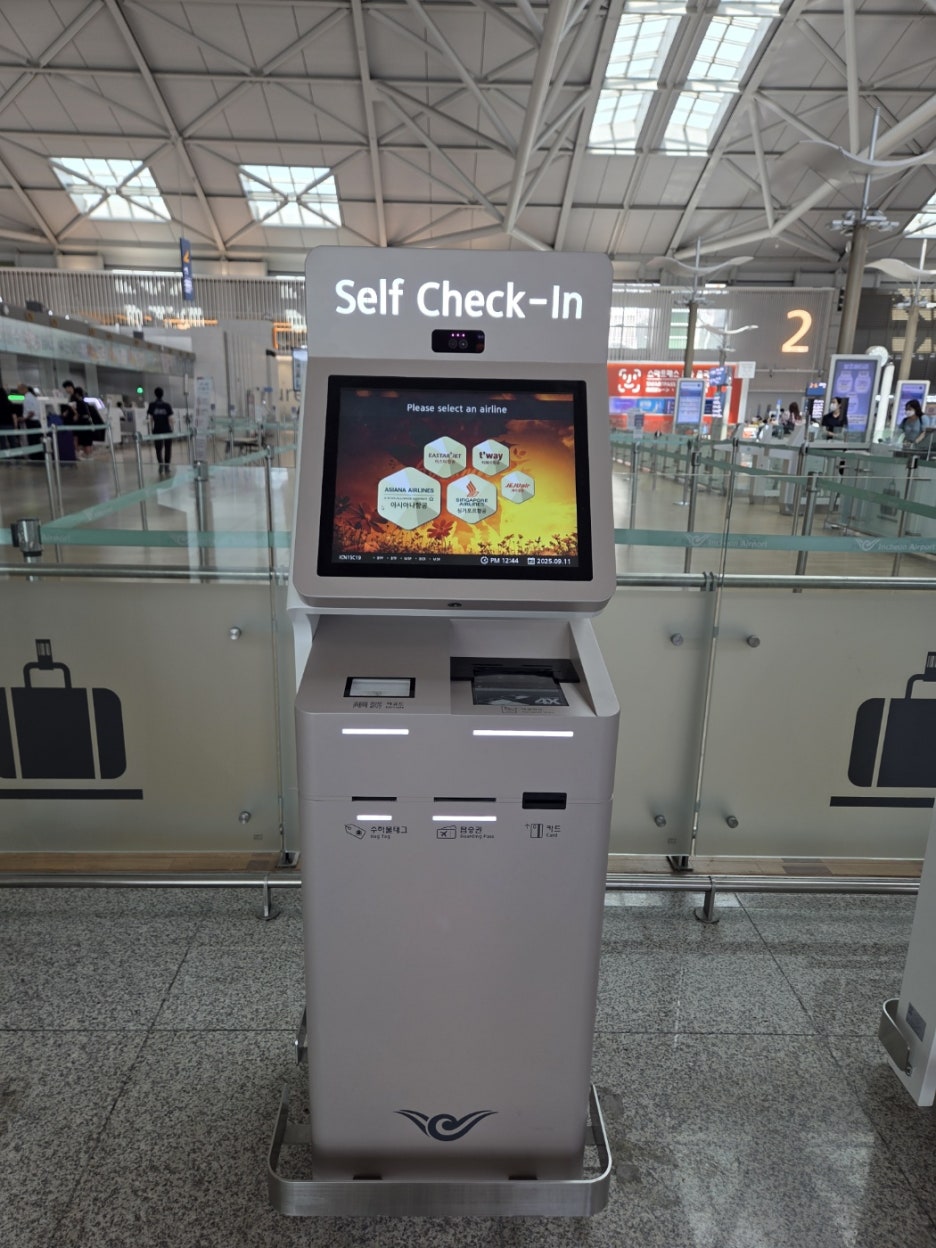 | 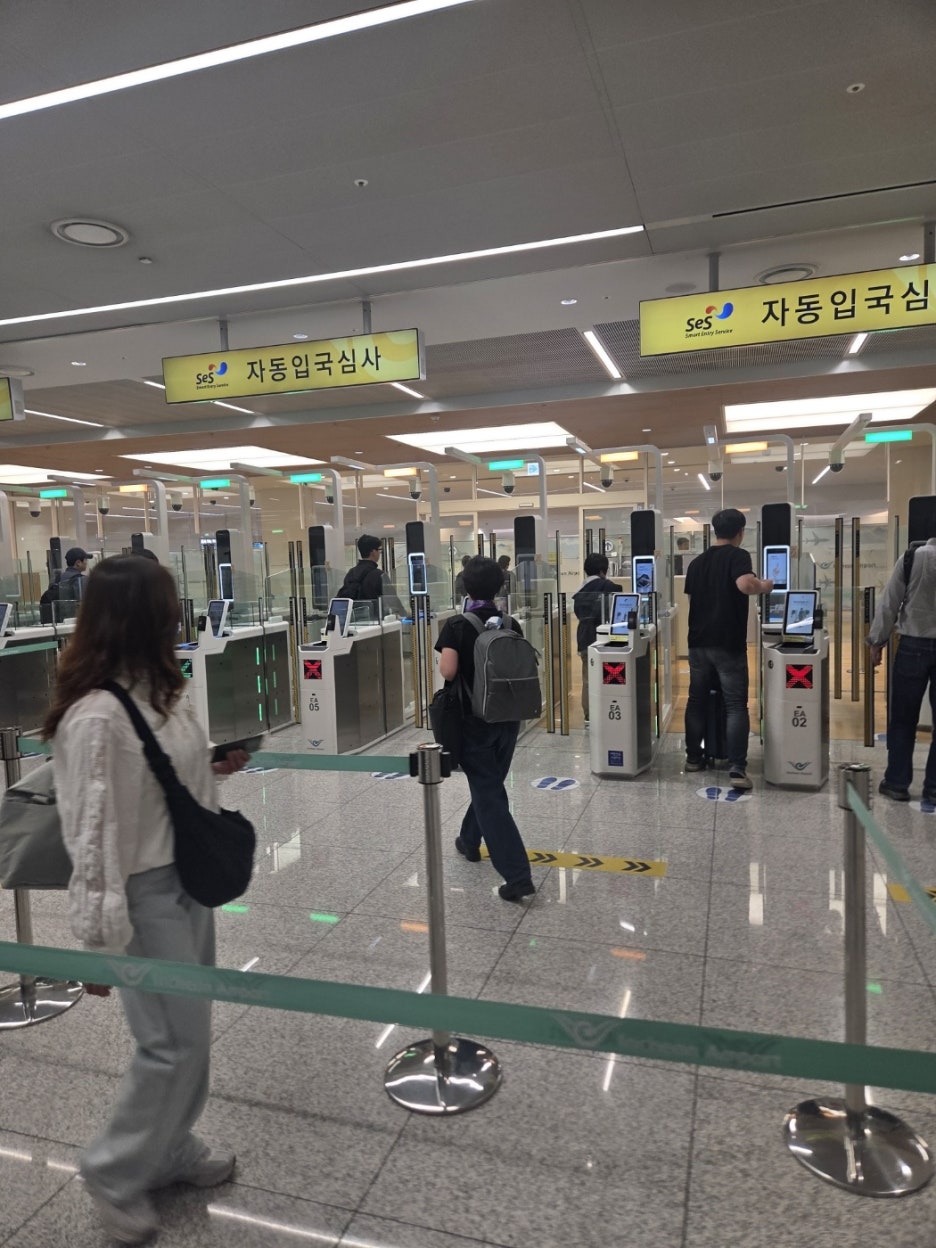 |
[Image 3: Passenger journey from self-check-in to biometric immigration processing]
6. The Airport of the Future: AI, Digital Identity, and Sustainable Aviation
Today’s airport and air traffic systems are developing around three major priorities: connectivity, predictability, and resilience.
The FAA’s NextGen modernization program has focused on improving communications, navigation, surveillance, automation, and information management in order to enhance the safety, efficiency, capacity, predictability, and resilience of the U.S. air transportation system.
Traditional air traffic control relied heavily on radar displays to monitor aircraft positions.
Modern systems increasingly use Automatic Dependent Surveillance–Broadcast, or ADS-B, satellite navigation, and digital information exchange to track aircraft and manage traffic more precisely.
The FAA explains that ADS-B can support air traffic surveillance in some regions where terrain makes traditional radar installation difficult.
Artificial intelligence is also creating new possibilities for airport operations.
AI can support operators by predicting flight delays, security checkpoint congestion, baggage volumes, gate occupancy, passenger flows, and signs of equipment failure.
However, an AI prediction should not automatically become an operational decision.
If the available data is incomplete, or if an airport faces an unusual weather disruption, a model trained on past patterns may produce an inaccurate prediction.
Future Airport Project Checklist
- Do all systems use consistent data definitions and reference times?
- Are the responsibilities of airlines, airports, ground handlers, and border-control agencies clearly defined?
- Is personal information stored only for the necessary purpose and period?
- Are carbon emissions and energy use managed through reliable operational data?
- Does the automation strategy consider elderly passengers and passengers with reduced mobility?
One lesson I have learned over 30 years in airport operations is that future technology should never be judged only by its demonstration screen.
Most systems perform well under normal conditions.
Their real value becomes clear when flights are delayed at the same time, passenger numbers surge, and several systems become unstable.
Key Takeaway
The competitiveness of a future airport will not be determined by how many advanced technologies it installs. It will depend on how reliably the airport connects people, procedures, data, facilities, and operational organizations.
Frequently Asked Questions
Q1. Did the earliest airports have runways and terminals like modern airports?
No. Early airfields were very different from modern international airports. Because aircraft had limited performance and traffic volumes were low, large flat fields were often sufficient. Paved runways, control towers, passenger terminals, airfield lighting, and navigation facilities were introduced gradually as scheduled flights expanded and aircraft became larger.
Q2. Which aircraft developments had the greatest impact on airport design?
Changes in aircraft size, weight, speed, and range directly affected runway length, pavement strength, taxiway separation, apron dimensions, passenger boarding facilities, and terminal capacity. The introduction of jet aircraft and wide-body aircraft required longer runways, larger terminals, and higher-capacity passenger and baggage systems.
Q3. When did airport computer systems become truly important?
Airport computer systems became increasingly important as flight numbers and passenger volumes grew. Telephone calls and paper documents were no longer sufficient for managing complex operations. From the 1970s onward, reservations, ticketing, check-in, and airport operations were increasingly computerized. Systems such as AODB, FIDS, BHS, and RMS later became essential. Today, integration between systems is often more important than the performance of any individual system.
Q4. Does an airport system failure cause all flights to be cancelled?
Not necessarily. The impact depends on the scope and duration of the failure and the airport’s level of operational preparedness. Some functions can continue through manual check-in, backup equipment, alternative networks, and direct passenger communication. However, if a critical safety or security function cannot be maintained, delays or operational restrictions may become necessary.
Q5. Will future airports operate without employees?
Some airport processes will become increasingly automated, but fully staff-free airports are unlikely in the near future. Weather disruptions, system failures, document discrepancies, accessibility needs, and unusual passenger circumstances still require human judgment. In the future, automation will probably take over more repetitive tasks, while employees focus on safety, problem-solving, and passenger assistance.
Conclusion
The aviation industry began with simple grass airfields in the 1910s and developed through the jet age, radar control, large passenger terminals, airport computerization, biometric processing, and smart airport technology.
At first glance, aviation history may appear to be a story of faster aircraft and larger buildings. In reality, the most important development has been the connection of information, procedures, equipment, and organizations.
My experience in airport operations and systems has led me to the same conclusion repeatedly.
A good airport is not simply an airport with the largest number of advanced devices.
A good airport is one in which aircraft, passengers, baggage, facilities, airlines, airport operators, ground handlers, and government agencies share accurate information and act at the right time.
There is one principle worth remembering:
The evolution of airports is not merely the history of infrastructure. It is the history of connectivity.
That principle will remain important even as airports introduce artificial intelligence, digital identity, autonomous ground vehicles, and new energy technologies.
In the next article, I will explain how the AODB—the operational brain of an airport—exchanges information with airline systems, FIDS, baggage systems, and resource management platforms.
Which airport technology has made the biggest difference to your journey: self-check-in, automated immigration, or biometric processing?
Tags
#AirportHistory #AircraftHistory #AirportSystems #SmartAirport #AirTrafficControl #AirportICT #AirportOperations #AODB #AviationIndustry #FutureAirport